Reducing Information Overload at Work: Strategies for a More Productive Team
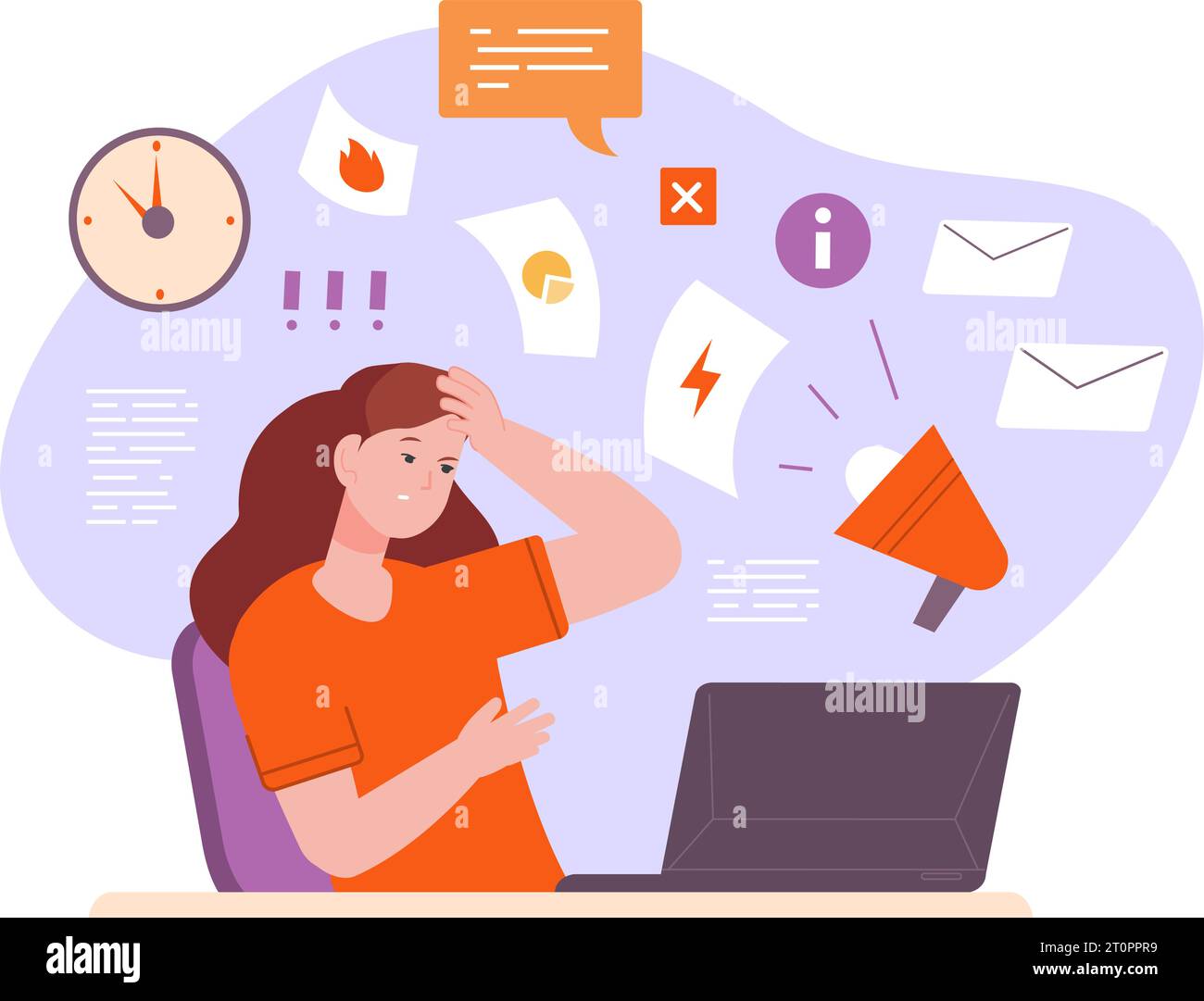
Information overload is a pervasive problem that affects businesses of all sizes and industries. With the constant flow of communication, task switching, and multitasking, employees can easily become overwhelmed, leading to decreased productivity, poor decision-making, and decreased job satisfaction.
What is Information Overload?
Information overload, also known as infobesity, refers to the state of being overwhelmed by the sheer volume of data, messages, and decisions we encounter daily. It can lead to cognitive overload, decision fatigue, and burnout, ultimately affecting employee performance, productivity, and overall well-being.

Why is Information Overload a Problem?
Information overload is a significant concern for businesses because it can lead to:
- Decision fatigue: When employees are overwhelmed by information, they may become indecisive, leading to delayed or poor decision-making.
- Decreased productivity: Information overload can reduce employee focus and productivity, ultimately affecting business outcomes.
- Employee disengagement: When employees feel overwhelmed by information, they may disengage from their work, leading to a decrease in motivation and job satisfaction.
- Increased stress: Information overload can lead to increased stress levels, affecting employee well-being and overall job performance.

Strategies for Reducing Information Overload at Work
While information overload is a complex problem, there are strategies that businesses can implement to reduce its impact on employee productivity and well-being:
-
Consolidate Communication Tools
By consolidating communication tools, businesses can reduce the amount of information employees need to process, making it easier for them to stay focused and productive.
-
Reduce Unnecessary Notifications
Employees should only receive notifications that are relevant to their work, reducing the amount of unnecessary information they need to process.
-
Segment Customer Messaging
By segmenting customer messaging, businesses can reduce the amount of information employees receive, making it easier for them to respond to customer inquiries in a timely manner.
-
Implement Centralized Platforms
Centralized platforms, such as digital asset management (DAM) systems, can help businesses manage and organize information, reducing the risk of information overload.
-
Encourage Focused Worktime
By encouraging employees to set aside blocks of uninterrupted time for focused work, businesses can reduce distractions and help employees stay productive.
-
Set Clear Expectations
Employees should have clear expectations around communication and workload, reducing the risk of information overload and improving productivity.
-
Provide Regular Breaks
Providing regular breaks can help employees recharge and reduce the risk of burnout, improving their overall well-being and productivity.
-
Encourage Work-Life Balance
Businesses should encourage employees to maintain a healthy work-life balance, reducing the risk of burnout and improving overall well-being.

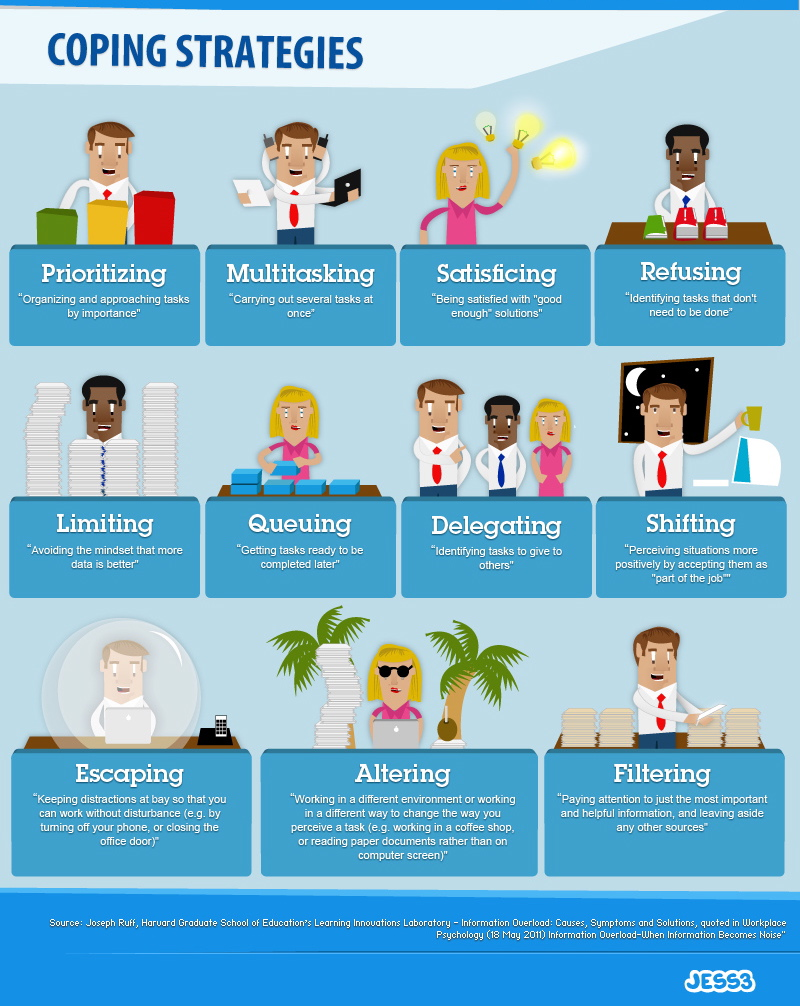
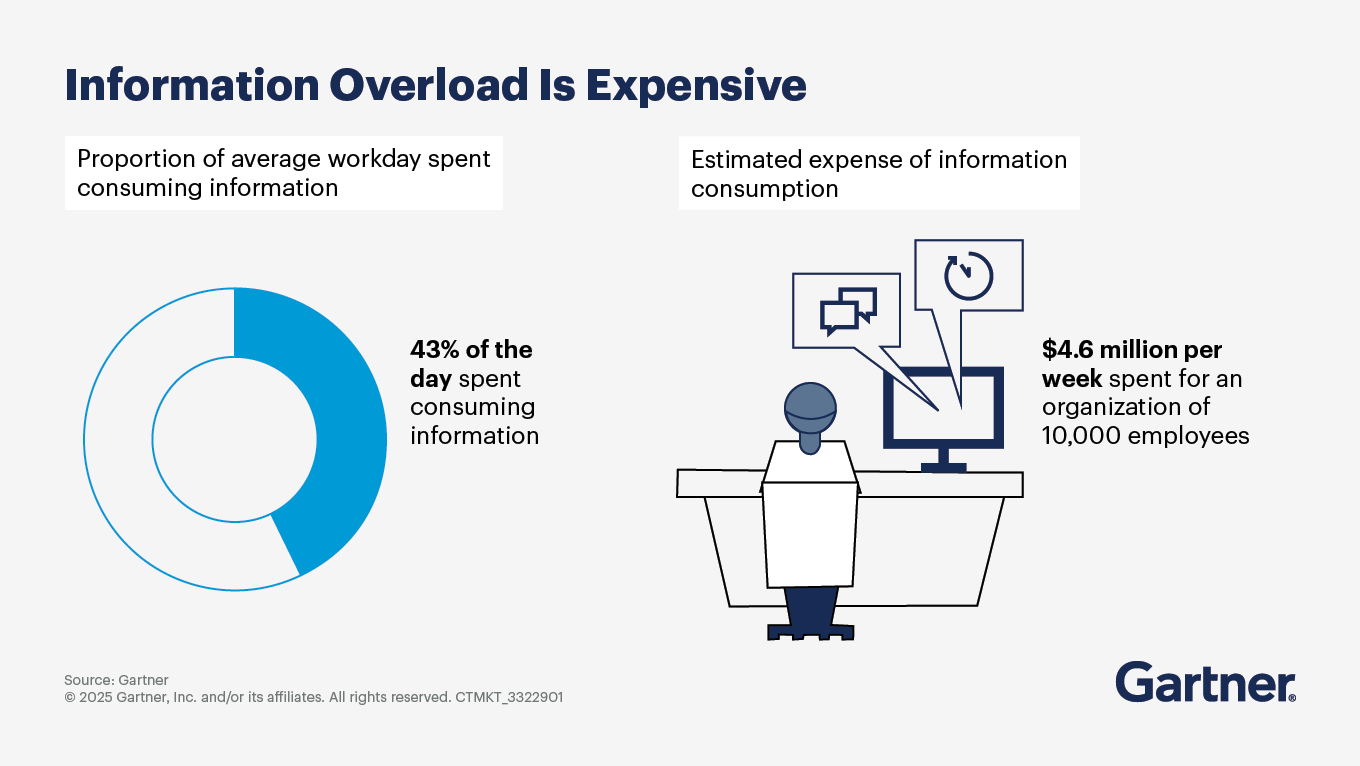
Furthermore, visual representations like the one above help us fully grasp the concept of Reducing Information Overload At Work.
Information overload is a pervasive problem that affects businesses of all sizes and industries. By implementing strategies such as consolidating communication tools, reducing unnecessary notifications, and encouraging focused worktime, businesses can reduce the impact of information overload on employee productivity and well-being.
Final Thoughts
Reducing information overload at work requires a multi-faceted approach that involves the entire organization. By setting clear expectations, implementing centralized platforms, and providing regular breaks, businesses can improve employee productivity, reduce stress, and improve overall well-being.